In the meantime, we must acknowledge the complexity of existing evidence—and take care not to reduce it to a single, misleading conclusion. “So, when we talk about possible so-called safer levels of alcohol consumption or about its protective effects, we are ignoring the bigger picture of alcohol harm in our Region and the world. Although it is well established that alcohol can cause cancer, this fact is still not widely known to the public in most countries. If you’re in good shape, moderate drinking makes you 25% to 40% less likely to have a heart attack, Halfway house stroke, or hardened arteries. This may be in part because small amounts of alcohol can raise your HDL (“good” cholesterol) levels.
- Changing the labels as suggested by the Surgeon General will require congressional action that may never happen.
- If, on the other hand, you’re more worried about a heart attack, then maybe that’s not a reason to become a teetotaler, says Marcus.
- Most drugs affect the brain’s “reward circuit,” causing euphoria as well as flooding it with the chemical messenger dopamine.
- Many are exploring ways to cut back, including the Dry January Challenge or alcohol-free drinks.
- Regular or heavy alcohol consumption can deplete the liver’s stores of glutathione, which is needed to neutralize a toxic byproduct of acetaminophen metabolism.
- Treatment plans need to be reviewed often and modified to fit the patient’s changing needs.
myths about using Suboxone to treat opioid addiction

Alopecia areata is a type of hair loss that occurs when the immune system attacks the hair follicles. Consuming alcohol in excess may cause other heart-related conditions, such as cardiomyopathy — damage to the heart muscle — or arrhythmias, which are abnormal heart rhythms. Fermented alcoholic beverages, such as beer and wine, contain polyphenols such as resveratrol. People should consult a doctor to discuss ways to reduce the risk and treat the effects of certain health conditions. “Having a strong social life appears to strongly correlate with a better chance of not only living longer but also maintaining good health and quality of life in the later decades,” Dr. Fein says. Social engagement can boost our mood and relieve stress, which has positive implications throughout the body.
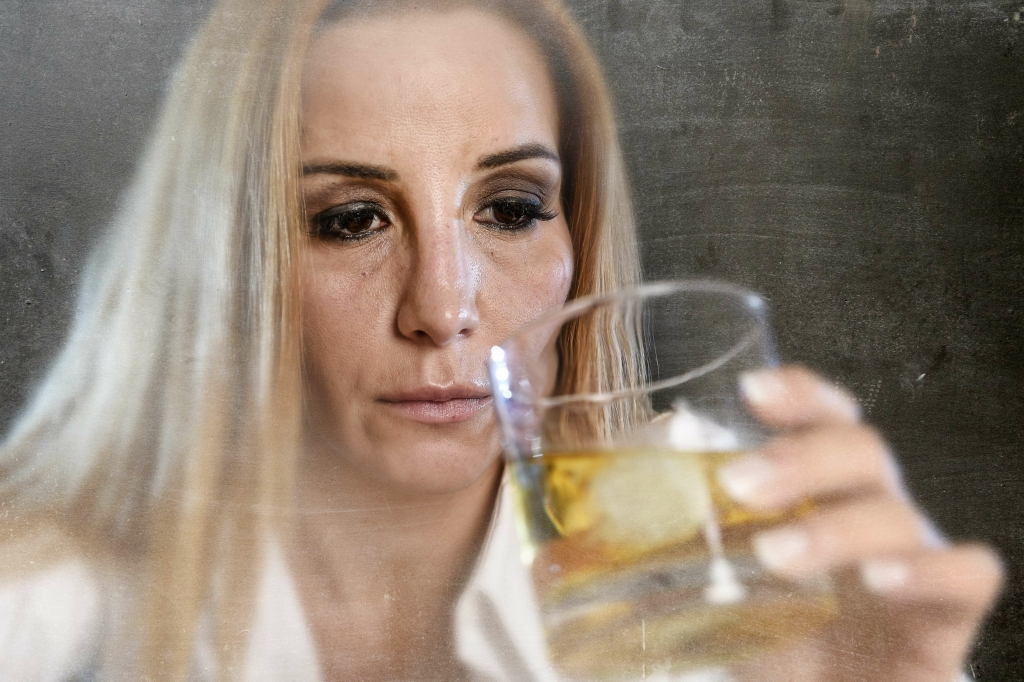
Ways to reduce risks
Limiting saturated fats in your diet, is alcohol good for you along with getting regular exercise, and engaging in other healthy practices, may help lower the amount of low-density lipoprotein (LDL) in your blood. Alcohol can have a number of negative effects on your body, which can exacerbate the symptoms of your period. But caffeine withdrawal can cause headaches, too, so don’t cut out coffee completely if you’re used to having a few cups a day.
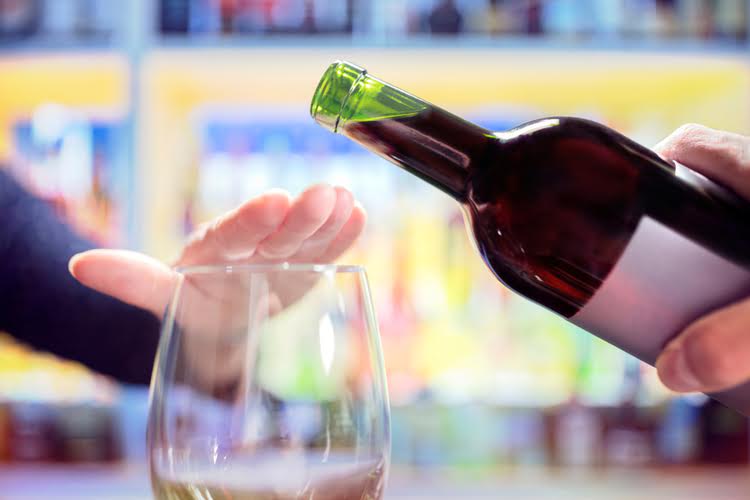
The Bottom Line: Balancing Risks and Benefits
- Alcohol might help you get to sleep faster, but it keeps you from reaching the deepest, most restorative stages of sleep.
- The benefits and risks of moderate drinking change over a lifetime.
Useful options include alcohol-free beers or wines, kombucha, iced tea or a delicious shrub (a full flavoured cordial-like drink), such as our raw raspberry shrub. As a person continues to use drugs, the brain adapts by reducing the ability of cells in the reward circuit to respond to it. This reduces the high that the person feels compared to the high they felt when first taking the drug—an effect known as tolerance.
- Enjoying alcohol socially in reasonable amounts can boost your mood and help you bond with others.
- Did you know your kidneys filter about 50 gallons of blood every single day?
- They looked at drinking habits across genders and age groups around the world and their associations with 22 diseases and injuries, such as liver disease, breast cancer and car crashes.
Alcohol might help you get to sleep faster, but it https://evolutionpak.com/6-ways-drinking-alcohol-can-affect-the-body/ keeps you from reaching the deepest, most restorative stages of sleep. As you experience fatigue from the strain of withdrawal, you will likely begin to notice that the sleep you get is far more restorative and that you feel much better when you wake up in the morning. The effects of high-quality sleep will continue to build each day. They will become less intense, and symptoms will disappear one by one. Physical symptoms will be much better by a week after stopping for most people. Alcohol withdrawal symptoms generally begin within 12–24 hours after your last drink.